
Baffled by technical human rights terms and precise legal definitions? You’re not alone. Here’s a quick glossary of some of the most troublesome words and phrases.

Baffled by technical human rights terms and precise legal definitions? You’re not alone. Here’s a quick glossary of some of the most troublesome words and phrases.

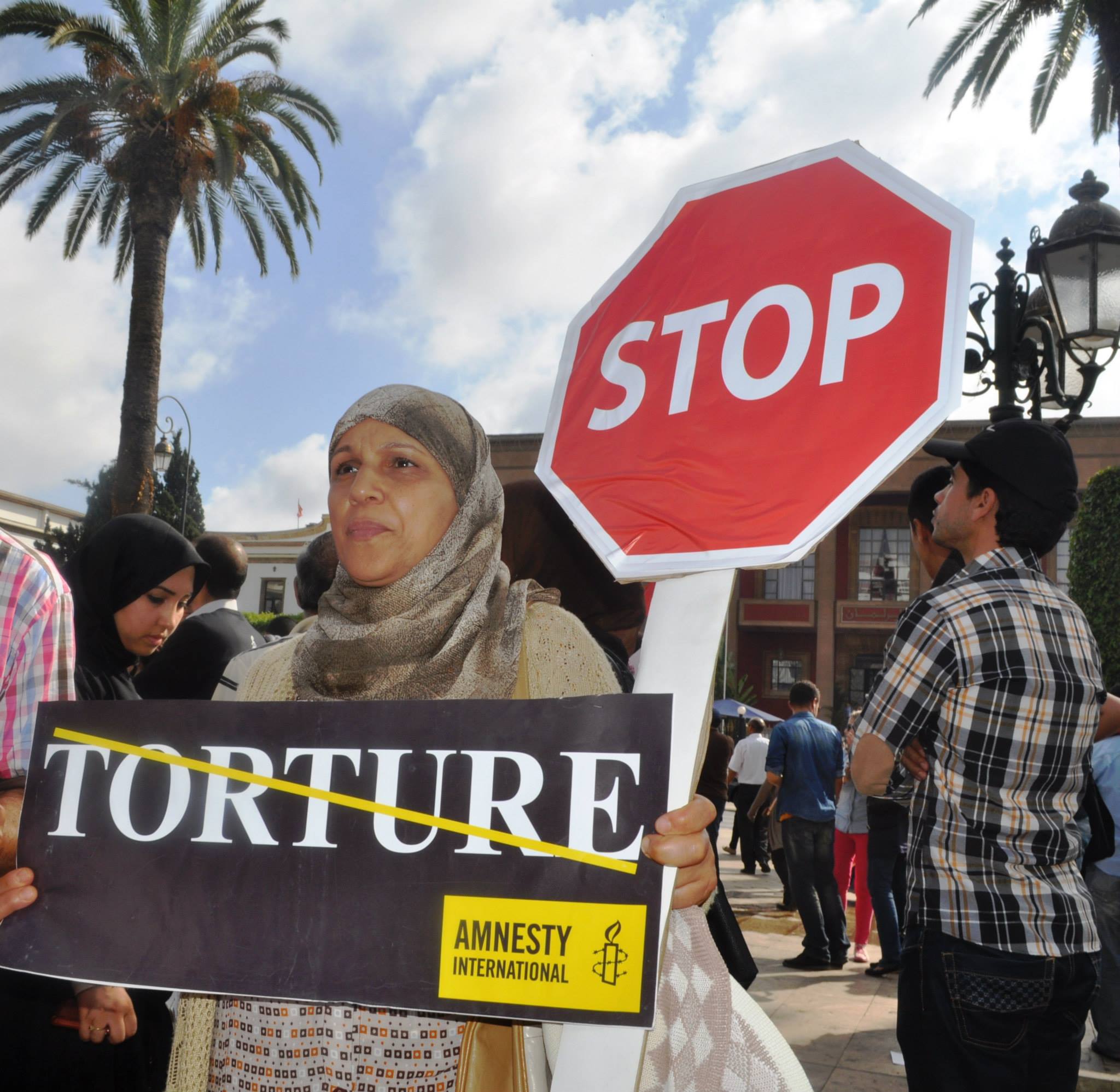
Some photos of some of AI Morocco actions on Stop Torture.
Stop sign
By Jihane Bergaoui, Country Specialist for Morocco and the Western Sahara
A few days ago, the U.S. State Department published its annual human rights report, which analyzes the human rights situation of nearly every country and territory across the globe. The Morocco and the Western Sahara human rights reports describe numerous abuses that have occurred in both areas over the past year, including infringements on freedom of speech and of the press, a failure to protect survivors of sexual and gender-based-violence, and a culture of impunity regarding the prevalent and illegal use of torture by members of the police and security forces. SEE THE REST OF THIS POST

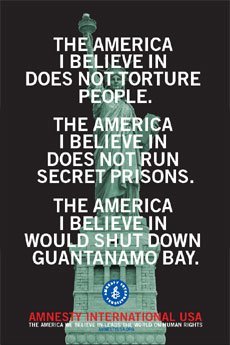 I see this poster every day in the main hallway of our Amnesty International office: it depicts the Statue of Liberty and reads: “The America I believe in leads the world on human rights.”
It’s aspirational. And in too many ways, it’s proven the opposite of true. The United States is leading the world in perversely innovative human rights abuses, such as unlawful drone strikes and mass surveillance tapping into the Internet’s backbone.
And when it’s the US rather than another country committing human right abuses, there are additional consequences: the U.S. sets dangerous precedents for other nations to follow, while providing abusive regimes a ready-made excuse to flout their human rights obligations.
Still, I think there’s hope. July 4th is a celebration not just of U.S. nationhood, but of the country’s ideals and the best parts of its history. It’s those that I think of, when I hope for this:

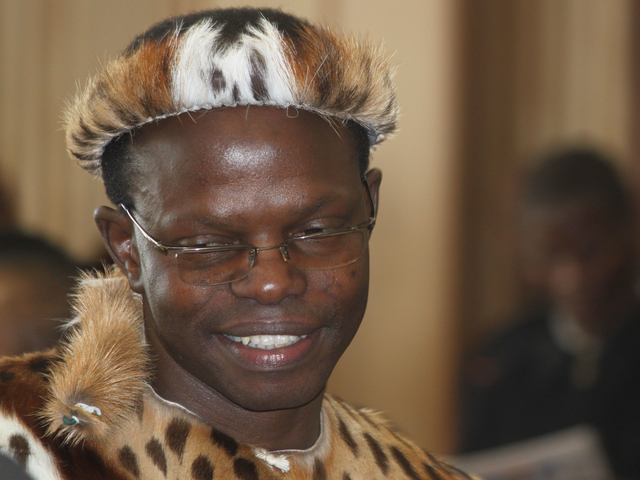
Prisoners of conscience Thulani Maseko (above) and Bheki Makhubu walked free from a Swazi prison on June 30, 2015. (c) AP/Press Association Images
Tuesday, June 30th was a very good day. Two activists in Swaziland, Africa’s last absolute monarchy, walked free after serving over a year of a two-year prison sentence. Bhekithemba (Bheki) Makhubu, editor of The Nation magazine, and Thulani Maseko, an human rights attorney, were released after an appeals court determined there was no case against the men.
Brought to you by Amnesty International and Privacy International
Two years after Edward Snowden revealed the extent of mass surveillance, Amnesty International and Privacy International use his evidence to show how countries are secretly sharing your personal data.
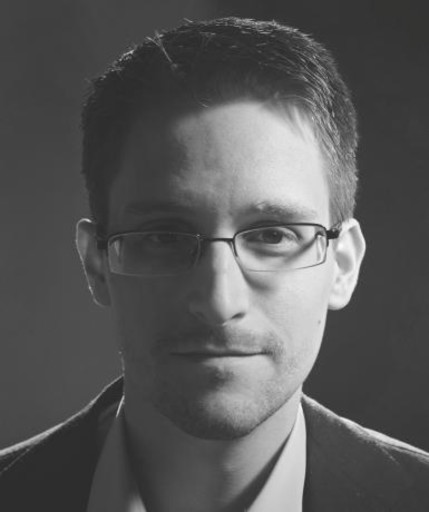
On June 5, 2013, The Guardian and The Washington Post published the first revelations from Edward Snowden about mass government surveillance. (c) Private
On 5 June 2013, whistleblower Edward Snowden revealed the first shocking evidence of global mass surveillance programs.
We’ve since learned that the USA’s National Security Agency (NSA) and the UK’s Government Communications Headquarters (GCHQ) have been monitoring the internet and phone activity of hundreds of millions of people across the world.
Two years on, we take a look at seven ways the landscape has changed thanks to the documents Snowden released:
 By Edward Snowden, director of the Freedom of the Press Foundation and former Central Intelligence Agency officer and National Security Agency contractor
TWO years ago today, three journalists and I worked nervously in a Hong Kong hotel room, waiting to see how the world would react to the revelation that the National Security Agency had been making records of nearly every phone call in the United States. In the days that followed, those journalists and others published documents revealing that democratic governments had been monitoring the private activities of ordinary citizens who had done nothing wrong.
Within days, the United States government responded by bringing charges against me under World War I-era espionage laws. The journalists were advised by lawyers that they risked arrest or subpoena if they returned to the United States. Politicians raced to condemn our efforts as un-American, even treasonous.
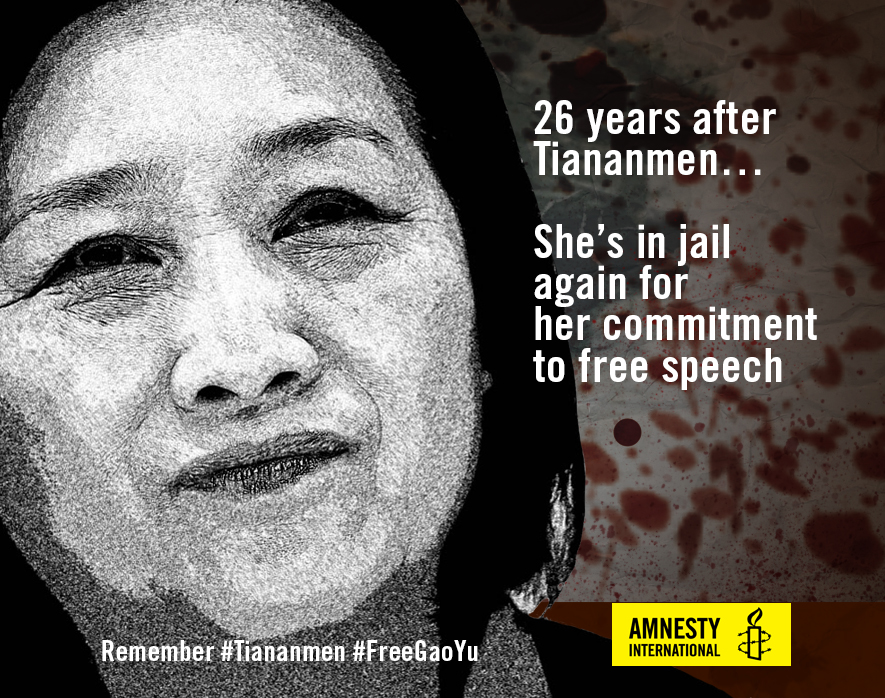
By T. Kumar, Amnesty International USA’s International Advocacy Director
Freedom of expression is under constant attack in China. But the recent sentence of prominent journalist, Gao Yu is not just another dissident being silenced. 71-year-old Gao Yu has been speaking out for nearly 30 years. She was detained without charge or trial for 15 months after the June 1989 crackdown on pro-democracy protests in Tiananmen Square. Upon release in 1990, she continued to work as a freelance journalist. SEE THE REST OF THIS POST
 There is a short distance between freedom and conviction in Angola. For journalist and human rights activist Rafael Marques de Morais, it was one week.
Rafael went to court last Thursday and thought he reached a settlement agreement on charges of criminal defamation. Today, he received a 6 month prison sentence suspended for two years. Amnesty had called for all charges to be dropped.

Photo Credit: Maka Angola / MakaAngola.org
Diamonds. Murder. Torture. Broken promises. Important officials. International players. All the elements of a gripping narrative told in a Hollywood blockbuster. Except this isn’t fiction, and the person on trial was the journalist who made sure the world knew the story.