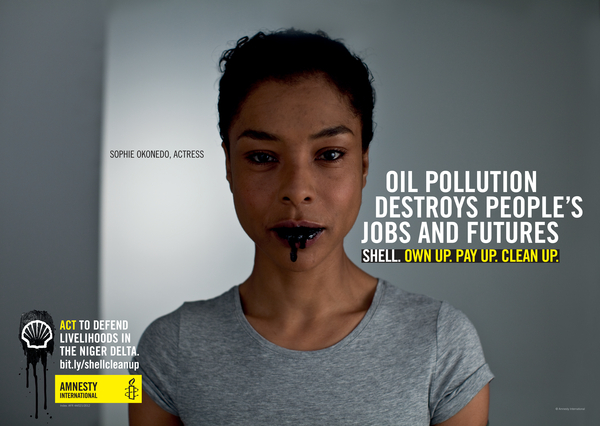
The Niger Delta is one of the most important ecosystems in the world and is home to some 31 million people. Yet it is being poisoned.
Oil is killing the fish, polluting the water, and endangering the people who make the Niger Delta their home.
Oil companies spill more oil into the Niger Delta each year than was spilled as a result of the Deepwater Horizon disaster that devastated the Gulf of Mexico in 2010.
A major source of oil pollution is the practice of gas flaring, or the burning off excess gas as waste. The government of Nigeria and multinational oil companies active in the Niger Delta, including Shell, ENI, Total and Chevron, are jointly responsible for gas flaring in the region. But for half a century, the Nigerian government has demonstrated that it can’t or won’t hold oil companies accountable.
As of today, critical questions that residents have raised about the associated health and environmental risks of gas flaring have not been answered. With our new Eyes on Nigeria project’s satellite imaging and mapping technology, we aim to not only validate residents’ concerns, but to expose serious human rights abuses.
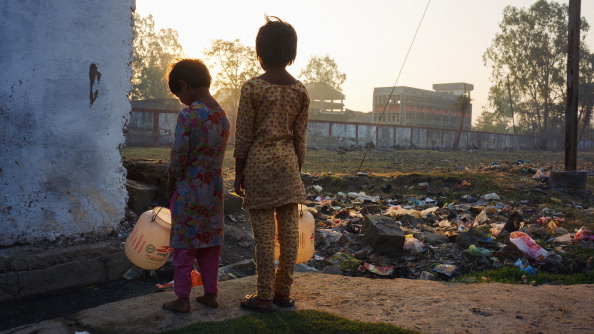
Amnesty teams and partners have collected more than 10 years worth of evidence that shows gas flaring is happening dangerously close to the waters where people drink, bathe, fish and wash their clothes.
When Amnesty representatives meet with the Nigerian government and oil executives this summer, we’ll share these facts and push for the answers that have been delayed for so long. Above all, we’ll call on officials to set a solid deadline for ending gas flaring once and for all.
Cleaning up the Niger Delta and stopping gas flaring is a small, but necessary step toward ensuring that basic human rights to health, food, clean water and livelihood in the Niger Delta are protected.
Make sure companies won’t be able to dodge accountability anymore.Sign our petition calling on oil companies to end gas flaring.