
Baffled by technical human rights terms and precise legal definitions? You’re not alone. Here’s a quick glossary of some of the most troublesome words and phrases.

Baffled by technical human rights terms and precise legal definitions? You’re not alone. Here’s a quick glossary of some of the most troublesome words and phrases.


By Kimie Matsuo
Time is running out on another opportunity for the United States to do the right thing by Mustafa Ahmed al-Hawsawi, who is allegedly languishing in solitary confinement at Guantánamo after suffering torture and ill-treatment in CIA secret detention. SEE THE REST OF THIS POST

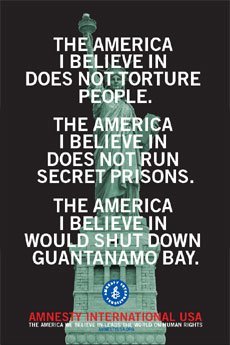 I see this poster every day in the main hallway of our Amnesty International office: it depicts the Statue of Liberty and reads: “The America I believe in leads the world on human rights.”
It’s aspirational. And in too many ways, it’s proven the opposite of true. The United States is leading the world in perversely innovative human rights abuses, such as unlawful drone strikes and mass surveillance tapping into the Internet’s backbone.
And when it’s the US rather than another country committing human right abuses, there are additional consequences: the U.S. sets dangerous precedents for other nations to follow, while providing abusive regimes a ready-made excuse to flout their human rights obligations.
Still, I think there’s hope. July 4th is a celebration not just of U.S. nationhood, but of the country’s ideals and the best parts of its history. It’s those that I think of, when I hope for this:
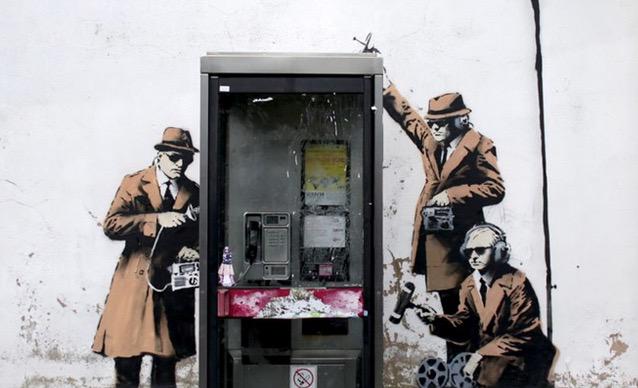
Yesterday, the UK’s Investigatory Powers Tribunal informed Amnesty International that British intelligence agency GCHQ had spied on the human rights organization by intercepting and accessing its email communications. SEE THE REST OF THIS POST
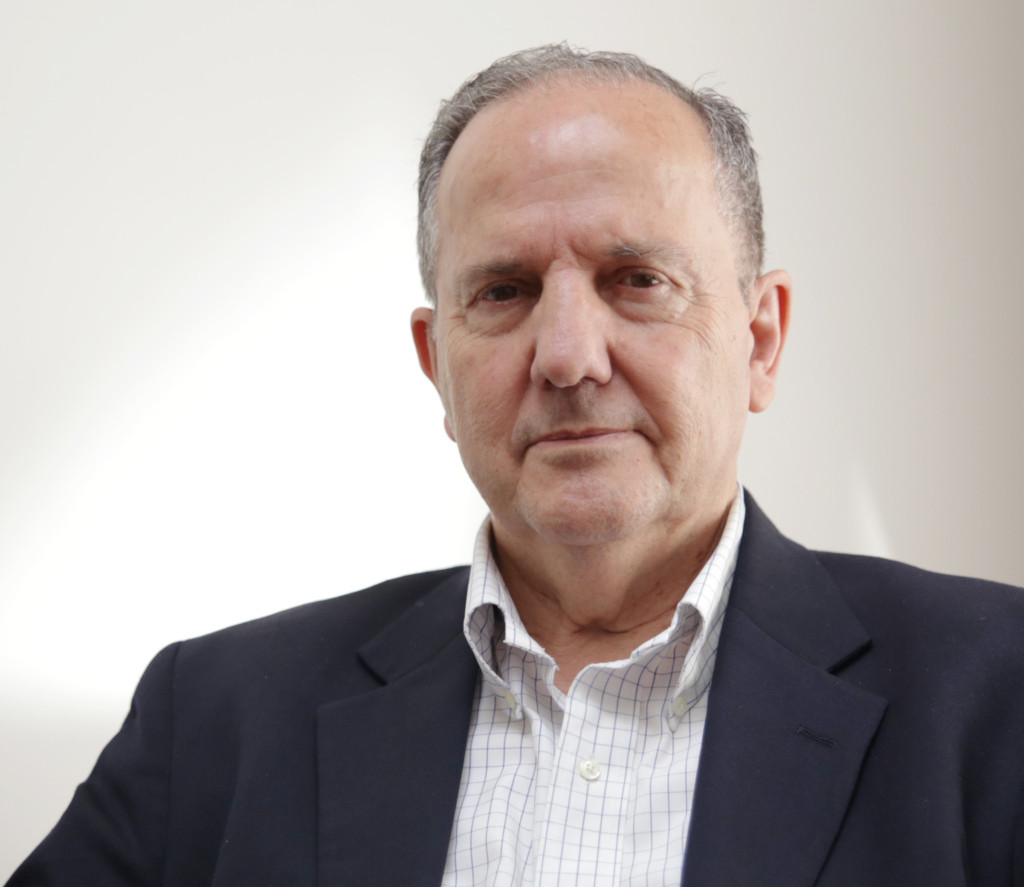
Juan Mendez, lawyer and human rights activist, UN Special Rapporteur on Torture. London 30 June 2014 (c) Amnesty International
By Juan E. Méndez, United Nations special rapporteur on torture and other cruel, inhuman and degrading treatment or punishment
More than once, I begged my torturers to kill me. Years later, I think about it and wonder if I really meant it. I think I did, at the time.
I was tied up, nude and blindfolded, and electrically prodded all over my body. Twice they pretended they were executing me by placing a gun to my head or in my mouth and clicking the trigger.
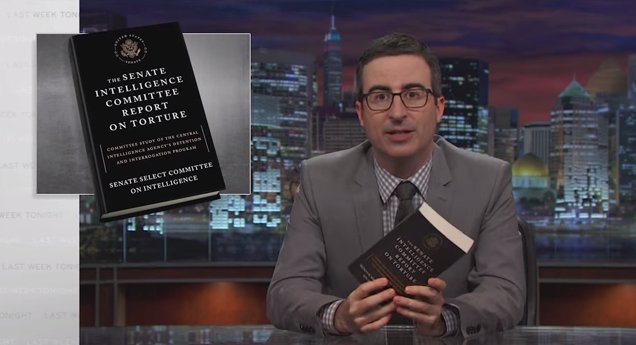 On Sunday, John Oliver made me laugh about CIA torture—and want to do everything in my power to stop the U.S. from returning to it.
His show, Last Week Tonight, ran a pointed critique of the U.S. government’s torture program: not just that it happened and that it was horrific, but that too many people in the United States continue to believe that it was excusable or even justifiable.
As Oliver explains, six months ago the Senate released a summary of its report on the CIA torture program, know as the Senate Torture Report. It contains disturbing allegations of forced rectal feeding, sexual abuse and extensive use of waterboarding.
Here’s what you missed – and what more you need to know:
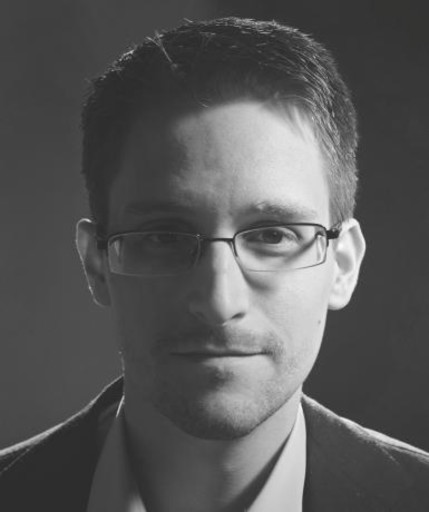
On June 5, 2013, The Guardian and The Washington Post published the first revelations from Edward Snowden about mass government surveillance. (c) Private
On 5 June 2013, whistleblower Edward Snowden revealed the first shocking evidence of global mass surveillance programs.
We’ve since learned that the USA’s National Security Agency (NSA) and the UK’s Government Communications Headquarters (GCHQ) have been monitoring the internet and phone activity of hundreds of millions of people across the world.
Two years on, we take a look at seven ways the landscape has changed thanks to the documents Snowden released:

By Kimie Matsuo and Zak Newman
We learned earlier this week of even more shocking, horrific details in the case of one detainee who fell victim to the CIA’s torture program. Majid Khan, who has been held at the Guantanamo Bay detention facility for almost nine years, is one of the 119 men whose case is mentioned in the Senate Intelligence Committee’s landmark report on CIA torture. But this week’s news, coming from declassified statements from Khan himself, includes revelations of grotesque and abhorrent treatment never publicly reported by the Senate committee.
Here’s what you need to know: SEE THE REST OF THIS POST
 By Edward Snowden, director of the Freedom of the Press Foundation and former Central Intelligence Agency officer and National Security Agency contractor
TWO years ago today, three journalists and I worked nervously in a Hong Kong hotel room, waiting to see how the world would react to the revelation that the National Security Agency had been making records of nearly every phone call in the United States. In the days that followed, those journalists and others published documents revealing that democratic governments had been monitoring the private activities of ordinary citizens who had done nothing wrong.
Within days, the United States government responded by bringing charges against me under World War I-era espionage laws. The journalists were advised by lawyers that they risked arrest or subpoena if they returned to the United States. Politicians raced to condemn our efforts as un-American, even treasonous.
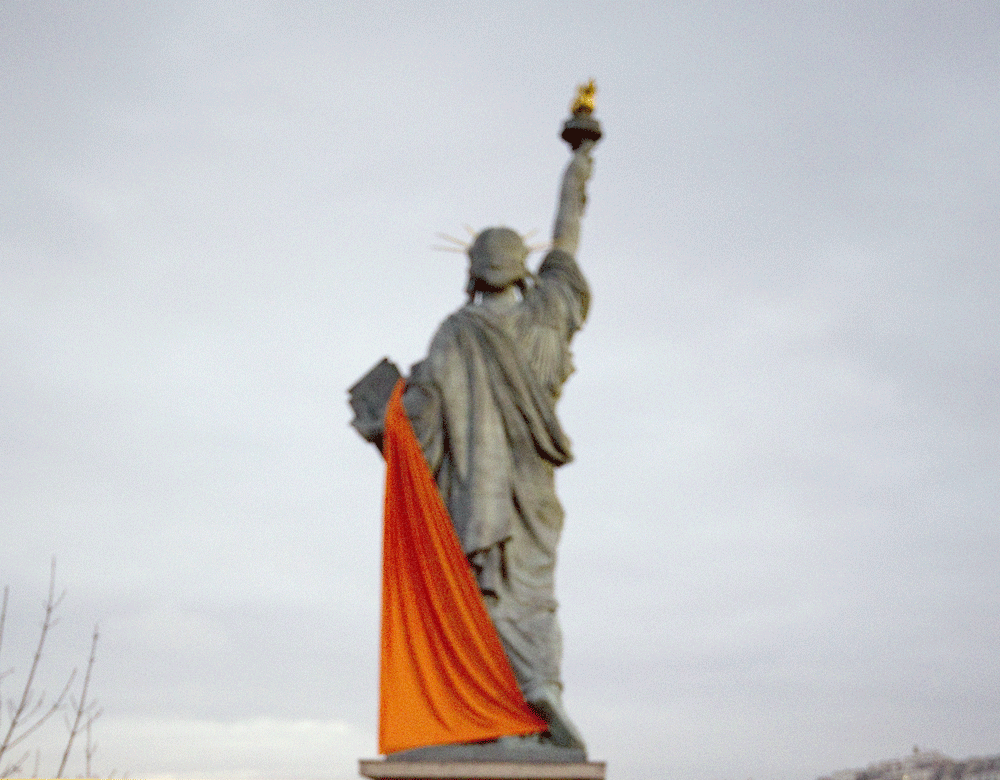
Scale model of the statue of Liberty, in Paris, on the 10th anniversary of the opening of the prison at Guantanamo Bay, Cuba. Photo Credit: JOEL SAGET/AFP/Getty Images
When I heard about the shooting in Garland, Texas, my first thought was: Is my family safe?
I grew up in a town near Garland, and much of my family still lives there. I didn’t know who had been shot at or why, but I wanted to know if my loved ones were okay. They were.
My second thought was less urgent: it was just a nostalgia for my hometown in Texas. Its treeless freeways and strip shopping malls were bland. But the people where I grew up were kind and inviting – even the teenagers, and even when it came to people like me.